
Introduction
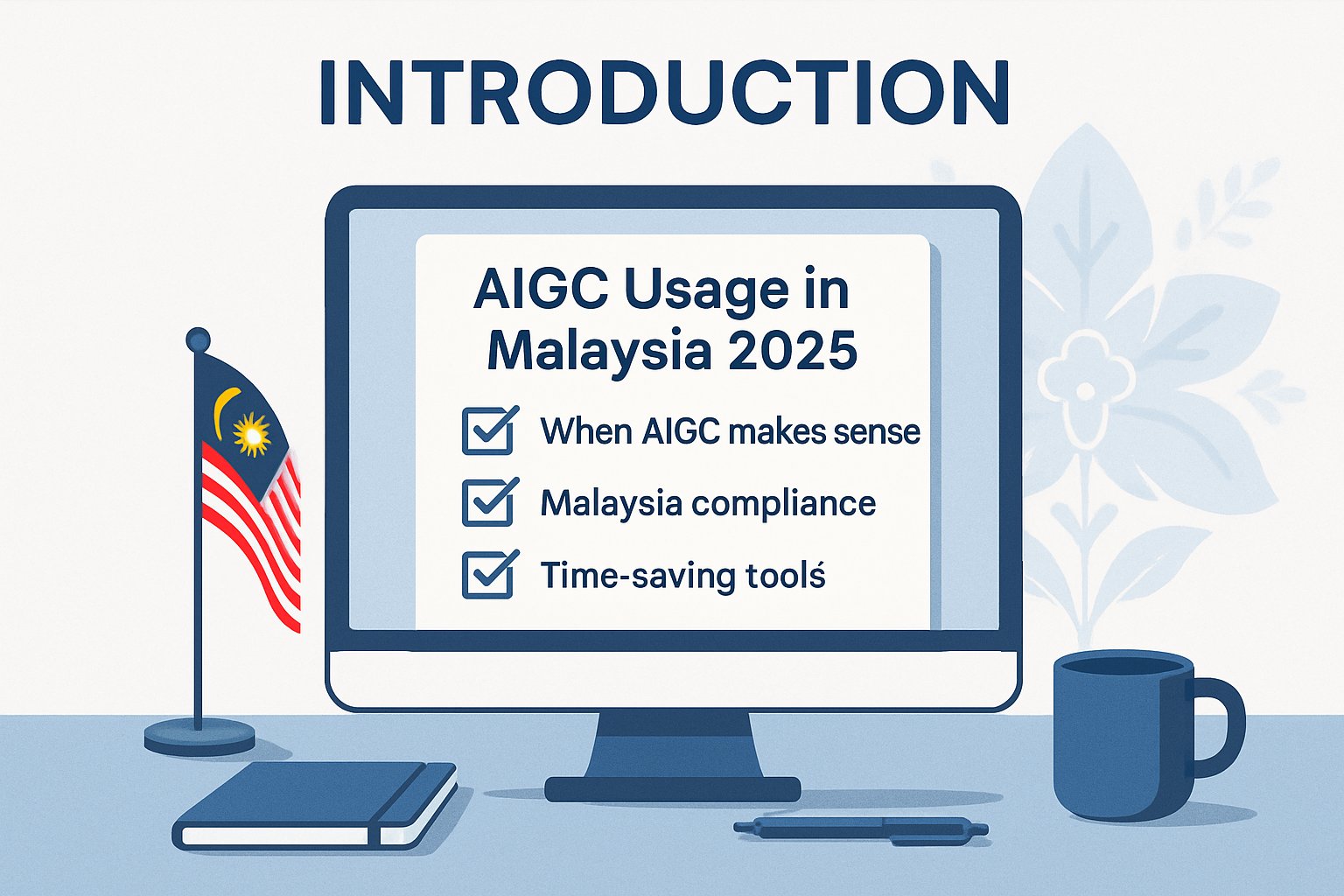
I use this compact, desktop-first checklist to decide when AIGC makes sense, how to stay compliant in Malaysia, and which tools actually save time. It reflects the latest update for 2025, with local nuance and practical steps. For quick context or to explore more, I also track best practices around aigc so I don’t reinvent the wheel, lah.
What is AIGC? How Does It Differ from General AI?
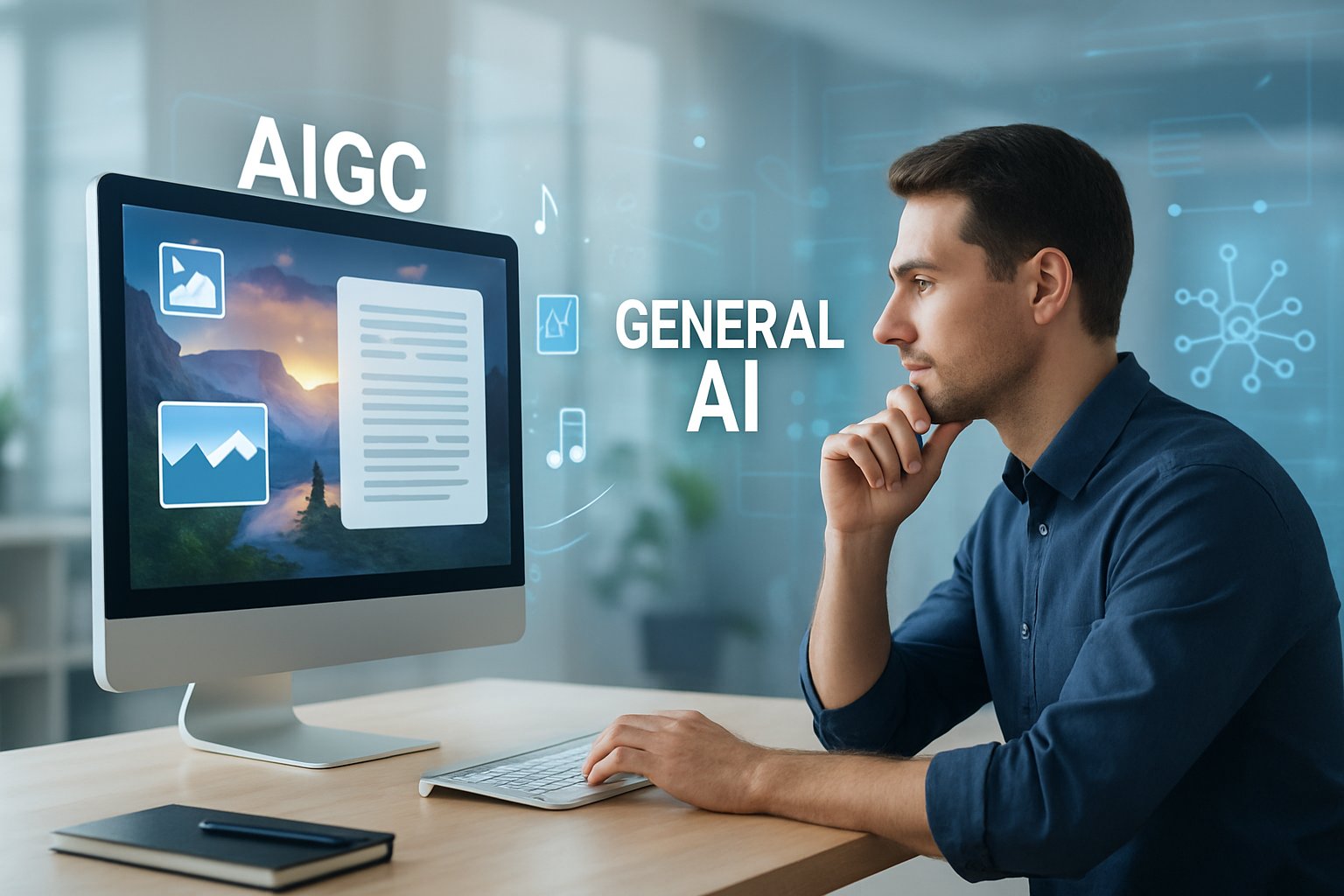
AIGC, or AI-Generated Content, represents a transformative approach in the world of artificial intelligence, particularly in creative and productive tasks. Unlike general AI, which encompasses a broad range of functions like data analysis and automation, AIGC specifically focuses on creating original content such as text, images, and more. This section explores its definition, advantages, and potential pitfalls to help users in Malaysia understand its role in 2025 workflows.
Key Advantages of AIGC
AIGC scales creative drafts in minutes, not days, allowing users to produce high volumes of content efficiently. It personalizes outputs to match specific tones, languages, and audience segments, making it ideal for targeted marketing in diverse Malaysian markets. Additionally, it reduces repetitive work, helping teams reallocate time to strategy and innovation, which can lead to significant productivity gains in desktop environments.
Potential Disadvantages and Limitations
Models can hallucinate facts with convincing language, leading to errors that require careful verification. Outputs may feel generic without strong prompts, necessitating user expertise to refine results effectively. Complex tasks still require domain expertise and review, as AIGC cannot fully replace human insight in nuanced scenarios.
Common Risks Associated with AIGC
Unvetted prompts can leak sensitive data, posing privacy concerns especially under Malaysian regulations. Biased training data can shape unfair outputs, potentially perpetuating stereotypes in content generation. Brand harm can arise from inaccurate or misleading content, which underscores the need for thorough oversight in professional settings.
History of AIGC Development
The evolution of AIGC has been marked by rapid advancements in technology, from basic models to sophisticated systems that integrate seamlessly into daily workflows. This historical overview provides context for current capabilities and future potential, helping users in Malaysia appreciate how these tools have matured. By understanding key milestones, one can better set expectations for AIGC applications in 2025.
Early History and Foundations
Statistical language models enabled basic text prediction, laying the groundwork for more advanced generative techniques. Autoencoders and VAEs improved latent representations, allowing for better handling of complex data structures. These foundations set the stage for generative breakthroughs, influencing everything from simple chatbots to intricate content creation tools used today.
Generative Neural Networks (2014–2019)
GANs unlocked realistic images and style transfer, revolutionizing visual content generation. The Transformer architecture reshaped language modeling depth, enabling more coherent and context-aware outputs. Transfer learning made fine-tuning practical for niche tasks, democratizing access to powerful AIGC tools for users in Malaysia and beyond.
Generative AI Boom (2020–Present)
LLMs accelerated content drafting at scale, transforming how professionals handle text-based tasks. Diffusion models improved image and video fidelity, offering higher quality outputs with less computational overhead. Open-source communities widened access and experimentation, fostering innovation and collaboration in the AIGC space.
Forms of AIGC and Key Application Areas
AIGC comes in various forms, each tailored to specific creative needs, from text to 3D modeling. Mapping these to daily workflows in Malaysia can reveal efficiency gains, especially in desktop setups. This section delves into practical applications, emphasizing how small pilots can demonstrate real-world benefits.
Text and Software Code Generation
LLMs draft articles, emails, and briefs fast, streamlining content creation processes. Code assistants suggest functions and tests within IDEs, enhancing developer productivity. I still validate logic, references, and security implications to ensure reliability in Malaysian compliance contexts.
Image Creation and Manipulation
Prompts produce variations, mockups, and brand concepts, aiding designers in rapid ideation. Inpainting and upscaling polish creative assets, improving final outputs. Style consistency needs custom prompts or fine-tuning to align with specific project requirements.
Audio and Music Synthesis
Voice cloning enables quick voice-overs for explainers, saving time in multimedia production. Music models generate background tracks for videos, offering customizable soundscapes. Rights and consent must be handled carefully to avoid legal issues in Malaysia.
Video Production and Editing
Text-to-video tools create storyboards fast, accelerating pre-production phases. Auto-editing trims clips and aligns subtitles, simplifying post-production. Review every cut for rhythm, context, and brand tone to maintain high standards.
Robotics and Automation
Generative policies help robots plan actions, improving automation efficiency. Simulation-to-real narrows gaps in deployment, making transitions smoother. Safety and supervision remain non-negotiable to prevent accidents in real-world applications.
3D Modeling and Design
Text-to-3D speeds prototyping for products, enabling quick iterations. Procedural generation expands environment design, useful in architecture and gaming. Exports must match downstream CAD constraints for seamless integration into workflows.
Popular AIGC Tools and Platforms
Selecting the right AIGC tools involves prioritizing desktop compatibility, cost-effectiveness, and reliability. In Malaysia, focusing on tools with transparent policies ensures compliance and efficiency. This section provides insights into popular options, helping users build a lean tech stack for 2025.
Best Tools for Generating Various Content Types
I shortlist tools by accuracy, cost, and export options to ensure they fit Malaysian workflows. Then I compare outputs on the same brief, side by side, which helps identify the most efficient choices. A quick shootout reveals strengths without long trials, making adoption smoother.
| Content Type | Tool Examples | Desktop Tip | Typical Cost (RM) |
|---|---|---|---|
| Text / Code | Chat assistants, code copilots | Use keyboard shortcuts and templates | Free–RM100+/month |
| Images | Diffusion suites, design tools | Batch prompts; store seeds | Free–RM120+/month |
| Audio / Music | Voice and music generators | Normalize loudness on export | Free–RM80+/month |
| Video | Text-to-video, auto-edit tools | Lock aspect ratios early | Free–RM150+/month |
Examples of Common AIGC Tools
Writers often use chat assistants and document plugins to enhance their productivity in content creation. Designers tap diffusion models, Firefly-like systems, or canvas editors for visual tasks, allowing for creative experimentation. Developers lean on code copilots inside their IDEs, which integrate seamlessly into existing workflows and boost coding efficiency.
Labeling and Regulations for AIGC on Platforms Like TikTok
With the rise of AIGC, platforms like TikTok have implemented strict labeling requirements to promote transparency. In Malaysia, adhering to these rules is crucial for content creators to avoid penalties. This section outlines key definitions, requirements, and best practices for compliant posting in 2025.
Definition of AI-Generated Content
It includes content produced or substantially edited by AI, encompassing a wide range of media types. Realistic synthetic media needs extra care and disclosure to prevent misinformation. Hybrids also qualify if AI meaningfully changes context, requiring clear identification in uploads.
Requirements for Posting AIGC on TikTok
Use the in-app AI-generated label when content looks realistic to inform viewers accurately. Add an in-caption disclosure for clarity, enhancing transparency. Ensure your description does not mislead audiences, aligning with platform guidelines in Malaysia.
Importance of Labeling for Transparency
Labels build trust during fast feeds and quick swipes, helping users discern authentic content. Viewers understand intent and editing levels, reducing potential confusion. It also aligns with emerging policy norms, fostering a healthier online environment.
Prohibited Types of AIGC on TikTok
Deepfakes that deceive or harm are typically disallowed, protecting users from manipulation. Sexualized, violent, or illegal content remains prohibited under strict rules. Impersonation without consent risks enforcement actions, emphasizing ethical use.
How to Apply the AI-Generated Label
Enable the label during upload within settings for easy compliance. Keep on-screen text noting AI assistance to reinforce transparency. Save proof of labeling for support tickets, which can be useful in disputes.
Reporting Non-Compliant Posts
Use the report feature with specific reasons to flag violations effectively. Provide timestamps and descriptions for clarity, aiding moderators. Avoid harassment; let platform policies handle action to maintain community standards.
Legal and Regulatory Considerations
Navigating the legal landscape of AIGC in Malaysia involves understanding copyright, privacy, and other regulations. Proactive documentation can prevent disputes and ensure smooth operations. This section covers key considerations for responsible use in 2025.
Copyright Issues and Ownership
Training data rights remain a debated area, with ongoing discussions in international forums. Output ownership depends on contracts and jurisdiction, requiring careful review. The Malaysian Copyright Act guides derivative works and enforcement, helping users protect their creations.
Academic Honesty and Plagiarism Concerns
Universities expect disclosure of AI assistance to maintain integrity in submissions. Citations and personal analysis remain necessary for original work. Plagiarism tools can flag unoriginal structure and wording, prompting users to refine their outputs.
Concerns and Ethical Challenges
Ethical use of AIGC requires balancing innovation with responsibility, incorporating safeguards at every step. In Malaysia, applying risk assessments ensures content is helpful and fair. This section explores various challenges and strategies for ethical implementation.
Job Losses and Economic Impact
Automation can compress certain roles significantly, affecting employment landscapes. New roles emerge across oversight and tooling, creating opportunities. Upskilling cushions transitions and preserves dignity, supporting workforce adaptation.
Racial and Gender Bias in Outputs
Bias can appear through skewed training data, leading to unfair representations. I test diverse prompts and personas to mitigate issues. Human review catches subtle stereotypes early, ensuring inclusive content.
Deepfakes and Misinformation
Hyper-real media confuses public understanding fast, spreading false narratives. Provenance signals help audiences verify claims accurately. Institutions need rapid response protocols to combat misinformation effectively.
Generation of Illegal Imagery
Some outputs may breach laws immediately, posing legal risks. Providers deploy filters to reduce risk and prevent harmful content. Users must avoid abusive or harmful prompts to stay compliant.
Cybercrime and Security Risks
Generative phishing raises deception quality drastically, increasing threats. I sanitize prompts and redact secrets to protect data. Zero-trust habits reduce accidental leakage in digital environments.
Information Laundering
False claims can circulate through multiple layers, obscuring origins. Repetition can disguise dubious sources, complicating verification. Source checking remains essential despite speed gains from AIGC.
Reliance on Industry Giants
Concentration risks lock-in and pricing power, limiting options. Open models provide useful optionality for diversification. Hybrid stacks improve resilience for teams in Malaysia.
Energy Consumption and Environmental Impact
Training large models consumes substantial energy, raising sustainability concerns. Efficient inference reduces costs and emissions over time. Regional data centers may improve latency and footprint for local users.
Content Quality and Reliability
Fluent text can mask factual errors, misleading readers. I verify claims with primary sources to ensure accuracy. Editorial checklists keep standards consistent across projects.
Misuse in Journalism and Media
Unlabeled synthesis erodes trust in reporting, damaging credibility. Newsrooms need clear AI bylines for transparency. Corrections should be visible and prompt to maintain audience confidence.
Detection, Awareness, and Future Directions
Advancing detection methods and public awareness is key to responsible AIGC adoption. In Malaysia, combining tools with education can minimize risks. This section looks at current methods and emerging trends for 2025.
Methods for Detecting AIGC
Provenance standards embed creation traces and edits for traceability. Watermarks and fingerprints aid platform checks efficiently. Heuristics and reverse searches add useful signals in verification processes.
Raising Public Awareness
Simple labels help everyday understanding quickly and effectively. Media literacy programs build durable skills for critical thinking. Community guidelines reinforce healthy norms in online spaces.
Emerging Trends and Innovations
On-device models protect privacy and latency, enhancing user experience. Multimodal agents orchestrate complex workflows seamlessly. Regulation and standards mature alongside capabilities, shaping the future of AIGC.
FAQs
How do I decide if AIGC will actually save me time?
I run a small pilot on my real task. If output reduces edits and handoffs, it earns a place. If not, I park it and revisit later.
What is a simple desktop workflow for responsible AIGC use?
I draft with a model, then fact-check sources. I run plagiarism checks and add disclosures. Finally, I export with consistent file naming.
Does labeling AI content reduce engagement on social platforms?
Clear labels can build trust over time. Short captions explaining edits help context. Quality and relevance still drive performance most.